Life at Amy’s House
Keep up with all the happenings and monthly updates.
Latest News
We’re on the news! This week we made prime time news on KWTX in a story about Matthew and Lizzie’s wedding
Recent Posts

A Good Luck Sign!
Today a hawk was on the fence at Amy’s House. According to some, hawks are a sign of good luck and spirituality.

September Tidings
What was great about September? Well, it wasn’t cooler weather, that’s for certain.
July’s Bounty
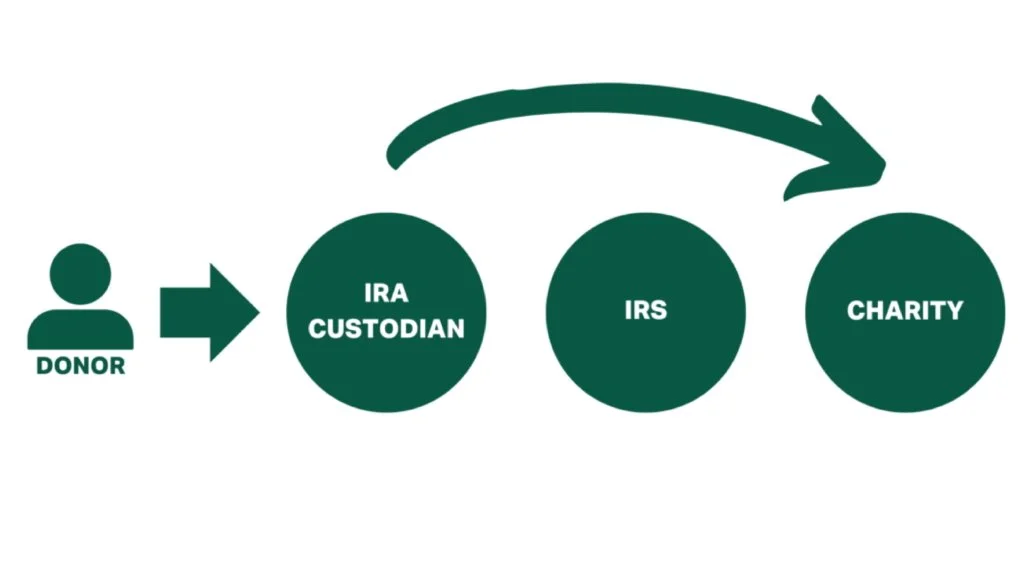
One of our donors sent a healthy Qualified Charitable Donation (QCD) and also made a commitment to name Amy’s House as a bequest in her will.
Our Cup Runneth Over
Occupancy in June is second only to August. During June we recorded 215 nights of stays, and we served 23 different families.

April Showers
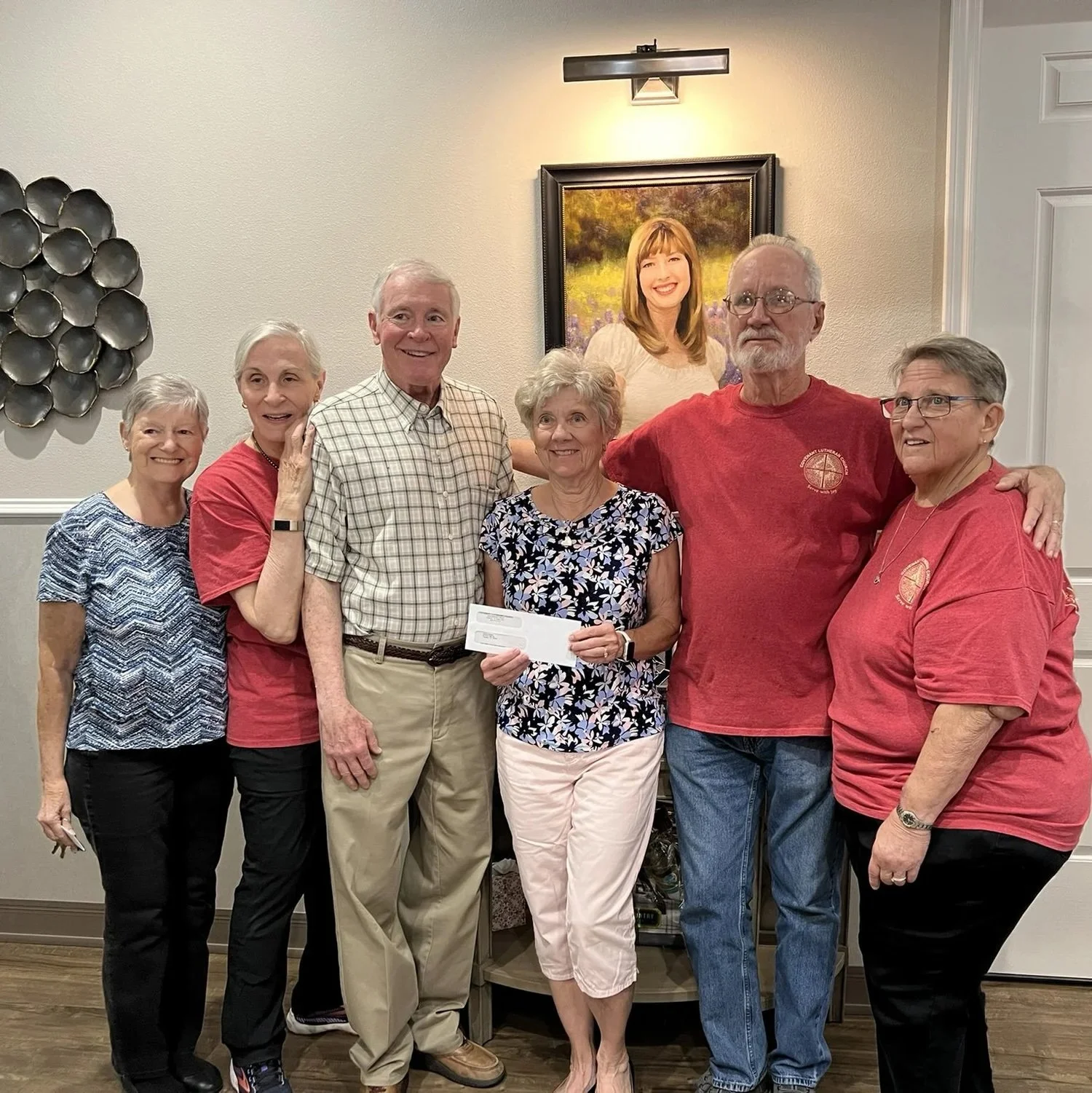
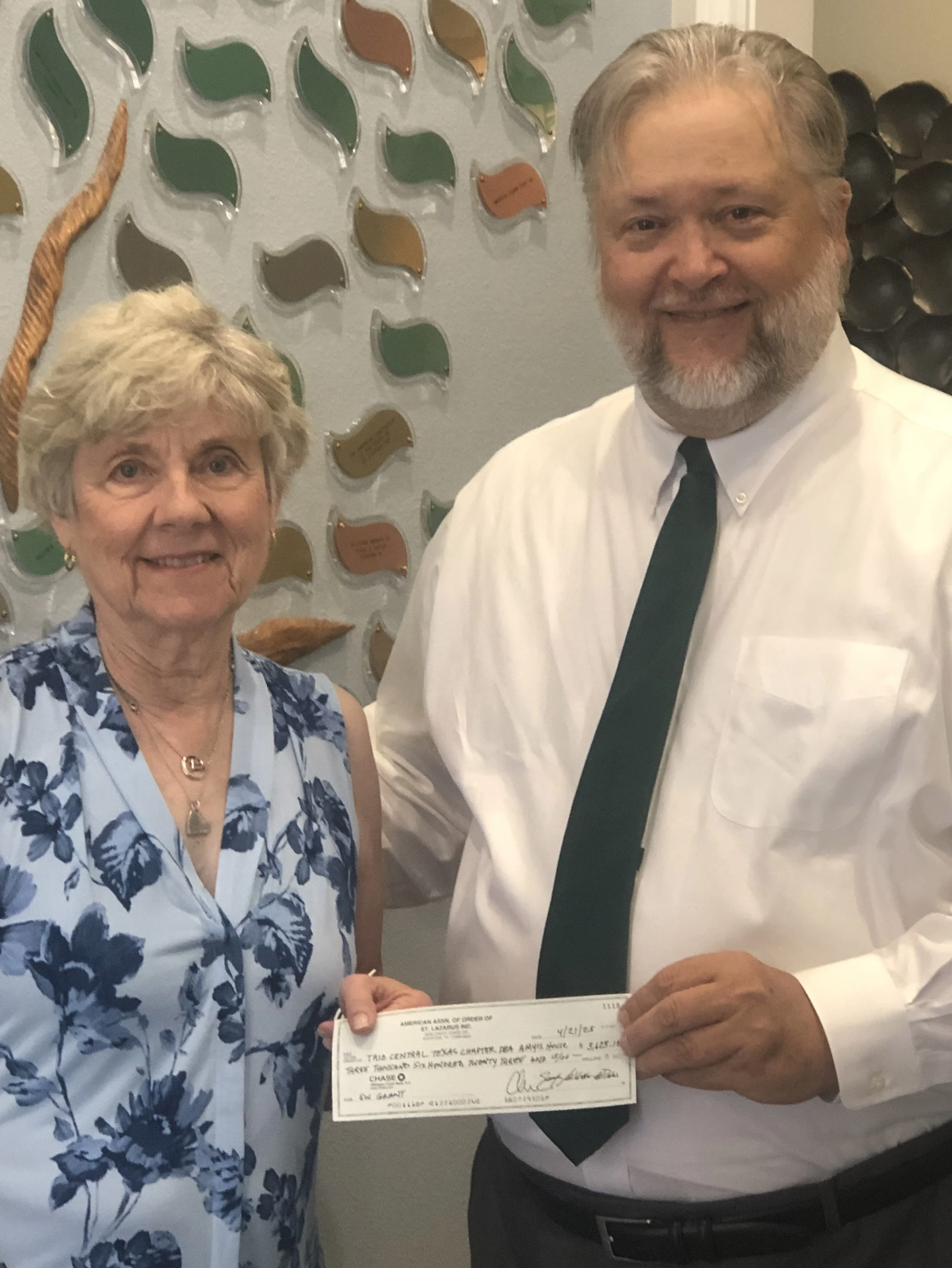
A big shout-out goes to the Temple Founders Lions Club which presented Amy’s House a nice check and to Marcus and Sharon Schneider who made a helpful contribution to our operating fund.
Monthly Updates
-
At Amy’s House, emotions are a fragile thing. Every guest who walks through our doors carries a story—often filled with uncertainty, fear, and hope all at once. It always does my heart good to see people arrive and, over time, begin to settle in… to find their place here. There is something truly special about watching that shift happen. Slowly, walls come down, conversations grow easier, and what once felt unfamiliar begins to feel like home. Witnessing their wins—big and small—is a precious thing. Seeing comfort return, laughter reappears, and strength rebuild within them and their families is nothing short of remarkable.
And we do have wins—stories like Anthony. Anthony came to Amy’s House during a difficult season, facing challenges that no one is ever fully prepared for. But over time, we watched him find his footing. We saw resilience grow, hope return, and moments of joy breaks through the heaviness. His journey reminds us that even in the hardest seasons, there is still light.
But the truth is—things often don’t go as planned for everyone. Sometimes organs begin to reject, or cancer cells come back when everyone was hoping they wouldn’t.
Those are the moments that are hardest to witness—the setbacks, the unexpected turns, the quiet weight that settles in when hope feels shaken. At Amy’s House, we walk alongside our guests through those moments too—not just the victories, but the uncertainty, the waiting, and the days that don’t have easy answers. And yet, even in those difficult seasons, something remarkable happens here. Guests lean on one another. Families find strength they didn’t know they had. Strangers become a community. While we cannot change the diagnosis, we can change the experience. We can offer a place where no one has to face those moments alone.
We are also seeing the continued journey of healing as guests return to Amy’s House after transplant or cancer treatment. One guest undergoing cancer treatment has returned for continued care, and another has come back following a kidney transplant.
These return visits are a powerful reminder that healing is not a single moment—it is a process. Having a familiar, safe place to return to during that journey brings comfort, stability, and peace. Looking ahead, the need continues to grow. As of today, we already have 15 appointments scheduled for May, representing families who will rely on Amy’s House during critical moments in their medical journey.
Many of you will remember that after the last flood, I shared how Jerry Jones, through Higginbotham Insurance, provided an unexpected donation—and just two days later, we received a grant from JAD that covered our flood-related expenses. While we had hoped to use that grant for other needs, it arrived exactly when we needed it most. After not one, but two floods, it was the perfect provision at the perfect time.
I’d also like to share something more personal from earlier this month. Many of you know that I now work on Sundays—and I truly love it. We’ve begun preparing Sunday dinners for our guests, creating a sense of family and normalcy during a very difficult season in their lives.
When I first shopped for and prepared that meal, I paid for the groceries out of pocket because it wasn’t in our budget. With an annual budget of $225,500, we have to be very intentional with every dollar. I remember thinking, “I can’t afford to do this every week.”
So, I prayed about it. The very next day, I arrived at work to find a donation from a gentleman who had visited us during our open house the year before. His gift was $5,000—equating to about $96 a week. That single donation not only covered Sunday dinners but also helped fund our coffee bar. And then I realized—this wasn’t just one act of generosity. It was part of something bigger.
With support from HEB, water donations from Walmart, and quarterly contributions from Alpha Kappa Alpha, we can provide breakfast bars, snack baskets in each room, frozen meals for late nights after long hospital days, and simple lunches during the week.
I thought about all the times we reached out—asking for heated blankets, tablets for guests to apply for financial assistance, or other urgent needs—and how our community showed up every single time. The Lions Club, American Legion, Compassionate Touch, and so many others have stepped in to provide emergency funds when guests couldn’t afford medication or gas. Sue Mayborn, Walmart, and Altrusa were all instrumental in helping as we opened the house up to the oncology families. It is amazing to me how each person, each gift, each act of kindness allows us to do something meaningful for every guest who walks through our doors. As an organization, we rely on grants to sustain operations—but they’re the smaller, personal donations that directly touch the lives of our guests. Every dollar matters. But it’s those smaller, heartfelt gifts that often make the biggest difference in the lives of the people we serve.
We are also honored to share that Amy’s House was named the 2nd place recipient of the John P. McGovern Award at the Texas Medical Association Foundation Gala in Corpus Christi. Along with this recognition, we were humbled to receive a $3,000 gift in support of our mission.
We would also like to recognize The Carpenter Foundation for their continued support through a two-year grant that helps fund our House Manager positions. And just this morning, I arrived to find a personal donation of $2,000 from one of our transplant physicians—a reminder of the deep and meaningful partnership we share with Baylor Scott & White.
I have always felt that we are truly on this journey together. Our partners are the foundation of everything we do. Without that trust and partnership, our mission would not be possible.
Thank you for allowing us the privilege of serving alongside you—and for helping us continue to provide comfort, care, and support to those who need it most.
Blessings,
Phyllis RenfrowExecutive Director
Amy’s House Foundation -
Friends,
For many of our guests at Amy’s House, time is no longer measured in months or years—but in appointments, lab results, treatment cycles, and moments of hope. A good report can make a day feel like a victory. A quiet evening without complications can feel like a gift. And a shared meal, laughter in the kitchen, or a simple conversation can mean everything.
This month, our home is filled with guests walking some of life’s most difficult paths—like the heart patient in Room 5 who came for an LVAD but went home with a new heart. There is a kidney transplant patient in Room 4, who received a kidney when he was 16, and had another transplant to replace the one that went into rejection a year ago, and now is here once again having his native kidney removed due to a mass. We have individuals facing acute leukemia like the family in Room 7. Someone staying with us this month is undergoing ongoing cancer treatment for Stage 4 cervical cancer.
Another is battling lung cancer. And we have someone on track to receive a kidney from a live donor.
Some are here waiting for that miracle organ, knowing full well that the answer to their prayers will be the start of someone else & grief. Some are here healing and praying that the cancer cells do not resurface. Some are here fighting for just a little more time.
But all of them are here for the same reason—because they need to be close to the care that could change their lives.
At Amy’s House, we are reminded daily that when everything else is uncertain, what matters most becomes very clear—comfort, connection, and compassion. One caregiver shared that the hardest part of this journey wasn’t just the treatment, it was the isolation-- being away from home, away from normal life, from everything familiar.
But here, she found something unexpected: a sense of belonging, a place where others understood without explanation, and a place where she didn’t have to be strong every moment. That is what Amy’s House strives to do.
Last Sunday, we started a new tradition at Amy’s—Sunday Meals at Amy’s House. These meals are more than just food. They are a time to gather, to breathe, to connect, and to be reminded that no one here is walking this journey alone. Our first regular Sunday meal consisted of grilled pork chops, beans, and baked potatoes. You would not believe how excited the house guests were, even though we are always cooking something up during the week.
As I was leaving the house last night, the guest in Room 6 asked if I would come and pray for him. I left the house happy that I could accommodate him but also realizing that last night’s meal might be one of his last. To my surprise and delight, I later received a text from his wife telling me that he ate everything on his plate! Then, today I told him I was making beans, greens, and cornbread. While he was sitting in the infusion chair, he had his wife text to tell me he was ready to eat. Clearly there is nothing like a home-cooked meals to help our guests feel right at home!
As our rooms remain full, so do our hearts. While we cannot change the diagnosis, we can help change the experience of our guests by providing a warm and comforting stop along their journey.
Thank you for continuing to support the mission of Amy’s House and the families who depend on it.
Sincerely,
Phyllis RenfrowExecutive Director
Amy’s House Foundation -
Friends,
Our March update is about The House With the Charcoal Gray Door
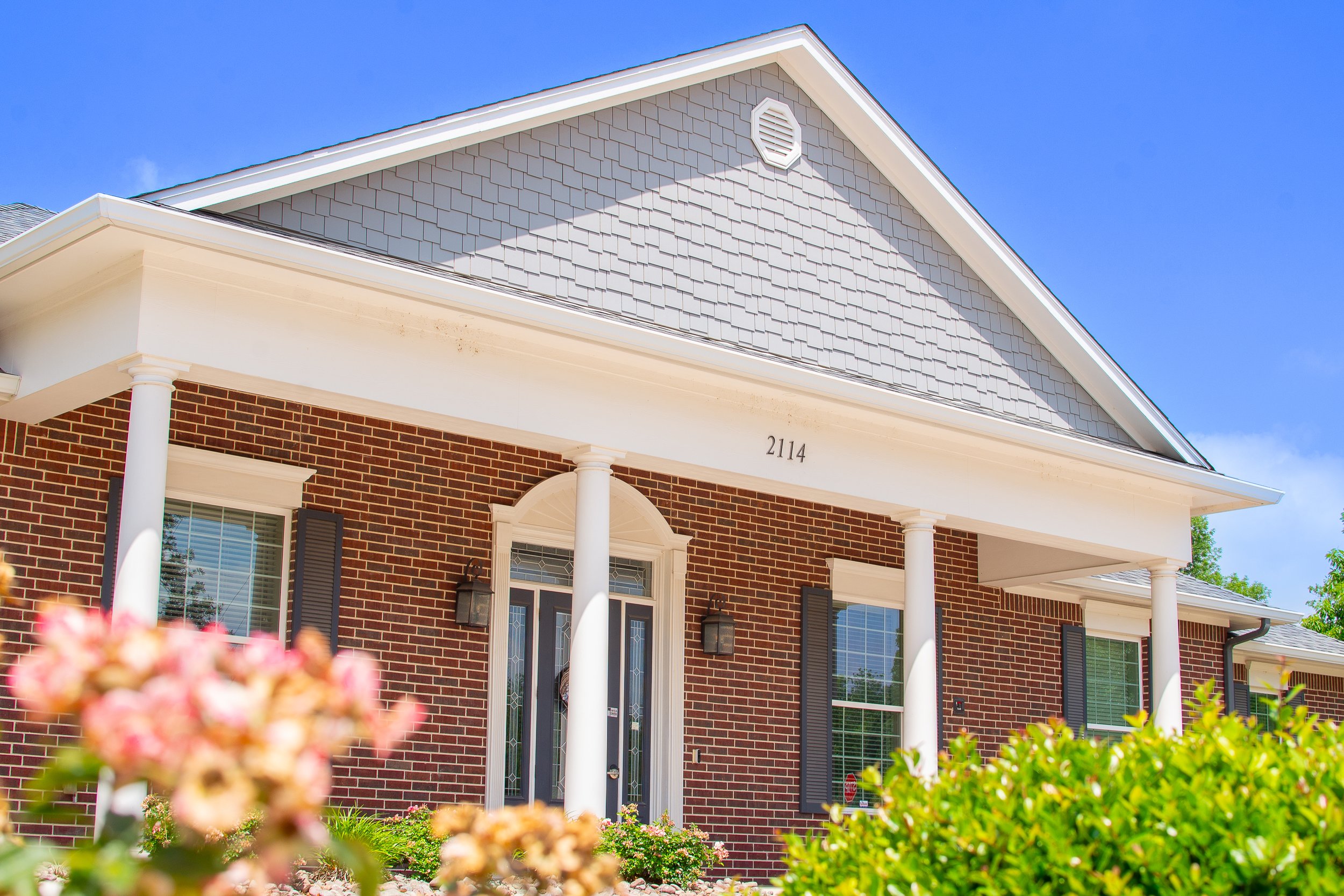
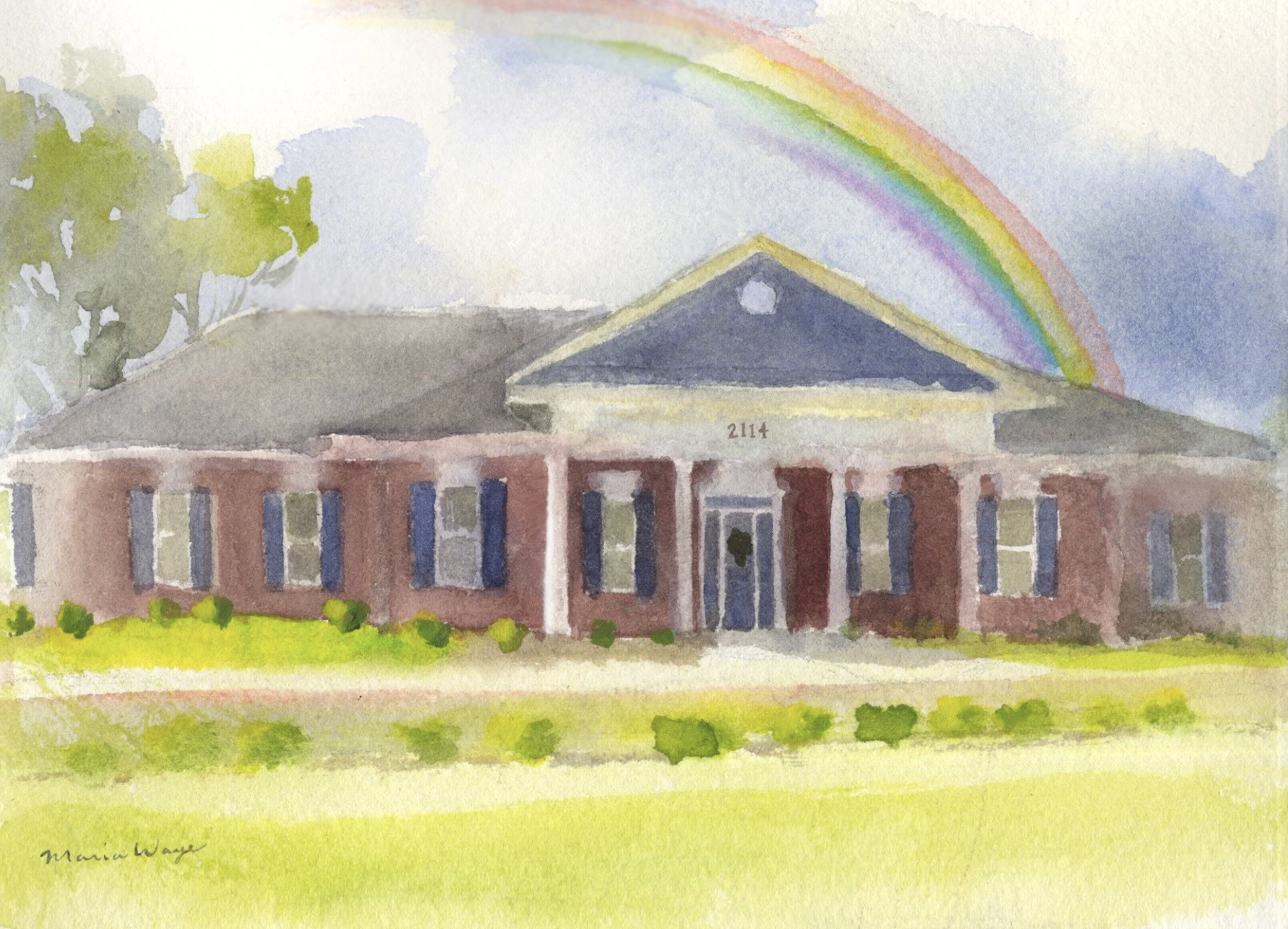
On a quiet street just minutes from the hospital stood a red brick house with a Charcoal Gray Door, located at the intersection of Avenue U and S 15th Street in Temple. Texas. It did not look like a medical facility. There were no flashing monitors, no rolling carts, no antiseptic smell drifting through the halls. Instead, a small wreath with blue bonnets hung on the front of the door. A rocking swing creaked gently in the evenings on the back porch. Inside, the scent of coffee and home cooked food replaced the sterile sharpness patients had grown used to. It was a medical lodging hospitality house called Amy’s House — though no one who stayed there ever called it that. They called it “home.”
When Kathleen first arrived in town to be a caregiver for her mother-in-law’s Leukemia treatment, she thought the hardest part would be the treatment. The chemo. The waiting. The uncertainty. She did not expect the loneliness.
The hospital was extraordinary. The doctors were brilliant. The nurses were compassionate and precise. But when visiting hours ended and the fluorescent lights dimmed, Kathleen would sit alone in a small waiting area, scrolling through photos of her family on her phone. Then someone handed her a brochure about Amy’s house, just five minutes from the hospital, it was the house on the corner with the charcoal gray door. “It’s for families like yours,” the nurse said. “You can stay there. Cook. Rest. Come and go. It’s close.”
At first, Kathleen wasn’t sure what to expect. She braced herself for something clinical — another institutional space with rules posted on every wall. Instead, she found a living room with soft lamps and a quilt folded over the ottoman. She found a kitchen where another caregiver was preparing a meal on the stove. She found a bedroom with a real comforter and a window that opened. That night, for the first time in weeks, she slept through until morning.
Across the hall stayed Carolyn and her husband Jim, both retired and were now here to receive treatment for her cancer. In the hospital, everything felt fragile — even Carolyn. Machines beeped if she shifted too quickly. Nurses hovered with careful instructions. She understood why, but sometimes she longed to feel like herself again.
At the house with the charcoal gray door, she could sit on the porch and drink coffee at sunrise. She could shuffle down the sidewalk at her own pace. She brought her recliner because that’s where she had been sleeping at home. She could decide when to turn off the television and what to have for breakfast. No one checked her vitals and all shots at this house were administered by her husband, Jim.
At Amy’s, people simply asked how she was doing. And that small freedom — to choose when to wake, what to eat, whether to sit in silence or conversation — gave her something medicine alone could not: dignity.
In the evenings, the kitchen became the heart of the house.
A wife from Laredo chopped vegetables while her husband, recovering from a kidney transplant, laughed at something on his phone. An older couple from Harlingen baked cornbread to share. Someone else set out a puzzle on one of the dining room tables.
They were all connected by diagnosis —cancer, transplant, LVAD support — but in the house, illness was not the headline.
Life was.
There were birthdays celebrated with grocery-store cake. There were prayers whispered quietly at the kitchen table. There were tears, yes — but also stories, recipes exchanged, numbers swapped.
In the hospital, they were patients and caregivers,
but at the house, they were neighbors and friends.
Freedom, in this place, did not mean ignoring medical reality.
Guests still rose early for lab work. They still drove the short distance to radiation or infusion appointments. Some rode the shuttle from that same old charcoal gray door right up to the door at BSWH. They still carried the weight of test results and waiting lists, but they returned each afternoon to something grounding.
They could wash their own clothes.
They could cook the meal their body craved.
They could sit and watch the squirrels in the backyard.
They could close a bedroom door and breathe.
For immune-compromised patients, safety mattered. Cleanliness mattered. Proximity to the hospital mattered, but so did autonomy because
when illness strips away control — over schedules, over appetite, over the future — even small choices become powerful medicine.
One afternoon, Maria’s husband was finally discharged from the hospital after his transplant. They walked slowly up the path to the charcoal gray door together. He paused on the porch. “I forgot what fresh air felt like,” he said. That evening, she cooked his favorite arroz con pollo in the shared kitchen. He sat at the table wrapped in a blanket, weak but smiling, listening to the murmur of other families living out their own fragile miracles.
The house did not cure him.
The hospital did the medical work.
But the house held them while healing happened.
It gave them rest between battles. It gave them privacy without isolation.
It gave them community, without obligation and
it gave them freedom in the middle of uncertainty.
Freedom, in this place, did not mean ignoring medical reality.
Guests still rose early for lab work. They still drove the short distance to radiation or infusion appointments. They still carried the weight of test results and waiting lists., but they returned each afternoon to something grounding.
They could wash their own clothes.
They could cook the meal their body craved.
They could sit barefoot in the backyard.
They could close a bedroom door and breathe.
For immune-compromised patients, safety mattered. Cleanliness mattered. Proximity to the hospital mattered, but so did autonomy because when illness strips away control — over schedules, over appetite, over the future — even small choices become powerful medicine.
When families eventually packed their bags to return home, they often lingered at that same charcoal gray door. Not because they wanted to stay in that season of life, but because in the hardest chapter of their story, they had found something steady.
A place where they were more than a diagnosis.
A place where they could exhale.
A place that reminded them that healing is not only clinical — it is human.
And sometimes, the most important medicine is the freedom to live —
…even while you are fighting for your life.
-
Dear Friends and Supporters,
We want to share an important update regarding Amy’s House and express our deep gratitude for the incredible support that has surrounded us over the past week.
On Sunday night, we were notified of water in the hallways at Amy’s House. Built in 2020, the house had experienced virtually no major issues until six weeks ago, when it sustained its first flooding event. Unfortunately, this week we experienced a second significant water intrusion. Because Amy’s House serves immunocompromised and medically fragile patients and their families, swift and thorough action was essential.
Thanks to the generosity and commitment of our community, immediate restoration efforts were launched to protect the health and safety of our guests.
We are especially grateful to Jerry Jones with the Higginbotham Insurance Agency who nominated Amy's House for a grant from the North Texas Community Foundation. We received the grant on Monday which allowed critical remediation work to begin without delay. We also extend heartfelt thanks to our board members Dean Winkler and Marcus Schneider for personally showing up and assisting with restoration efforts, along with Jay and Hope from ServePro, my husband - Joseph Drew, our dedicated house managers Carolyn Riley and Lorri Renfrow, and Hunt Plumbing for their expertise and rapid response.
Actions Taken Immediately
· Water extraction was completed, and industrial dehumidifiers, heaters, and fans were deployed.
· A professionally administered sanitizer treatment has been applied twice as of yesterday.
· Plumbing professionals were brought in to investigate and address the underlying cause of the flooding.
· Patients were safely relocated, and the north hall was immediately evacuated and closed.
· Heavy plastic barriers were installed, all floor molding was removed, and access holes were drilled to allow hidden wall cavities to be sanitized, dried, and heated.
· Moisture levels inside the walls are being constantly monitored and documented to prevent mold or mildew.
· Ongoing, transparent communication has taken place with BSW Health.
The restoration team is optimistic that Amy’s House will reopen fully in the coming week. Once all areas are cleared and reopened, we will offer tours, provide restoration updates, and share documentation so donors and partners can see firsthand the care taken to protect this vital space.
Moments like this remind us how essential donor support is—not just to keep the lights on, but to respond quickly and responsibly when unexpected challenges arise. Your generosity ensures that families facing medical crises always have a safe, healing place to stay.
Thank you for standing with Amy’s House and the patients we serve. Your support truly makes all the difference.
-
January began with full rooms and full hearts at Amy’s House as we continued to serve families facing some of life’s most challenging medical journeys. As a month often associated with new beginnings, reflection, and renewed hope, the new year opened with a meaningful blend of long-term guests who carried over from December and new arrivals seeking care at Baylor Scott & White — a powerful reminder that healing is both ongoing and ever-renewing.
Throughout the month, our guests represented a wide range of medical needs, including acute leukemia, kidney and heart transplants, LVAD support, and oncology care. Many families traveled significant distances from across Texas to remain close to their loved ones during treatment, reinforcing the vital role Amy’s House plays in providing safe, affordable lodging and peace of mind during critical moments of care.
January also reflected the reality of extended stays for patients undergoing intensive treatment. Several guests remained with us for weeks at a time, while others came for shorter follow-up appointments or procedures. This balance speaks to one of our goals for the new year — continuing to offer flexibility, stability, and compassionate support tailored to each family’s unique journey.
We were especially grateful to welcome both returning guests and new families this month. Each arrival reaffirmed why Amy’s House exists: to offer comfort, consistency, and a true sense of home when life feels uncertain. From quiet evenings spent resting after long hospital days to supportive conversations shared between caregivers, the house remained a place of connection, encouragement, and renewal.
As 2026 begins, Amy’s House remains committed to strengthening the foundation we have built — ensuring every family who walks through our doors feels supported, seen, and cared for. We are deeply thankful for our supporters whose generosity makes this mission possible. Because of the support and generosity of people like you, the year is already off to a meaningful and impactful start, filled with hope for what lies ahead.
-
Theme of the Month: “If you think my hands are full, you should see my heart.”
As we close out the year at Amy’s House, our hearts are overflowing with gratitude. December began with full occupancy, a reminder of just how great the need is for safe, affordable lodging for transplant patients, advanced leukemia patients, and their caregivers traveling to Temple for lifesaving care. Every room was filled with stories of courage — from those preparing for transplant surgery, to others recovering with LVAD support, to families navigating complex oncology treatment.
Gratitude for Our 2024 Benefactors
This month, and throughout the entire year, we have been deeply touched by the generosity of our benefactors. Your gifts in 2024 made a profound impact — allowing us to welcome hundreds of families who might otherwise struggle with the cost and stress of prolonged medical travel.
Because of you:
Transplant recipients and living donors found rest and stability during long hospital stays.
Advanced leukemia patients and their loved ones had a clean, peaceful place to call home during intense treatment cycles.
Caregivers were able to stay close, support their loved ones, and avoid the financial strain of hotel costs.
Families found comfort, community, and hope inside our walls — things that are priceless during the hardest moments of their lives.
Your compassion helped us provide lodging, meals, emotional support, and the warmth of a home when patients needed it most.
A Month Filled With Purpose
December brought:
Patients returning for post-transplant checkups
Families awaiting transplant calls
Guests navigating the physical and emotional challenges of advanced leukemia treatment
Caregivers balancing worry with hope
Despite the heaviness that comes with medical journeys, our house was filled with light — shared meals in the kitchen, quiet conversations in the hallways, and little moments of joy that reminded us why Amy’s House exists.
Looking Back With Gratitude — Looking Ahead With Hope
As we reflect on 2024, we recognize that every blessing, every moment of comfort, and every act of kindness within Amy’s House was made possible by you — our faithful supporters. Your gifts not only kept our doors open, but also kept our mission alive: to ensure that no family walks their transplant or oncology journey alone.
From all of us at Amy’s House,
Thank you for filling our hands with the work that matters — and filling our hearts beyond measure.
We look forward to continuing this mission of healing, hope, and hospitality in 2025. -
This month at Amy’s House, we’ve welcomed several courageous patients and families as they navigate transplant journeys, cancer treatments, and major surgeries. Each story reminds us why this home exists — to offer comfort, stability, and hope during some of life’s hardest moments.
We were grateful to host:
A heart transplant recipient returning for follow-up care
A guest recovering with an LVAD while awaiting transplant
A new kidney recipient attending post-transplant appointments
A family supporting a loved one undergoing kidney removal
A guest who received a kidney through a paired donation program
A mother staying close to her son recovering from transplant complications
A wife preparing to donate her kidney to her husband
Every guest brings strength, resilience, and gratitude into our halls — and your support makes their healing journeys possible. Thank you for helping us provide a safe, welcoming place for those who need it most.
Wishing you a warm and blessed Thanksgiving season.
— Phyllis, Executive Director